
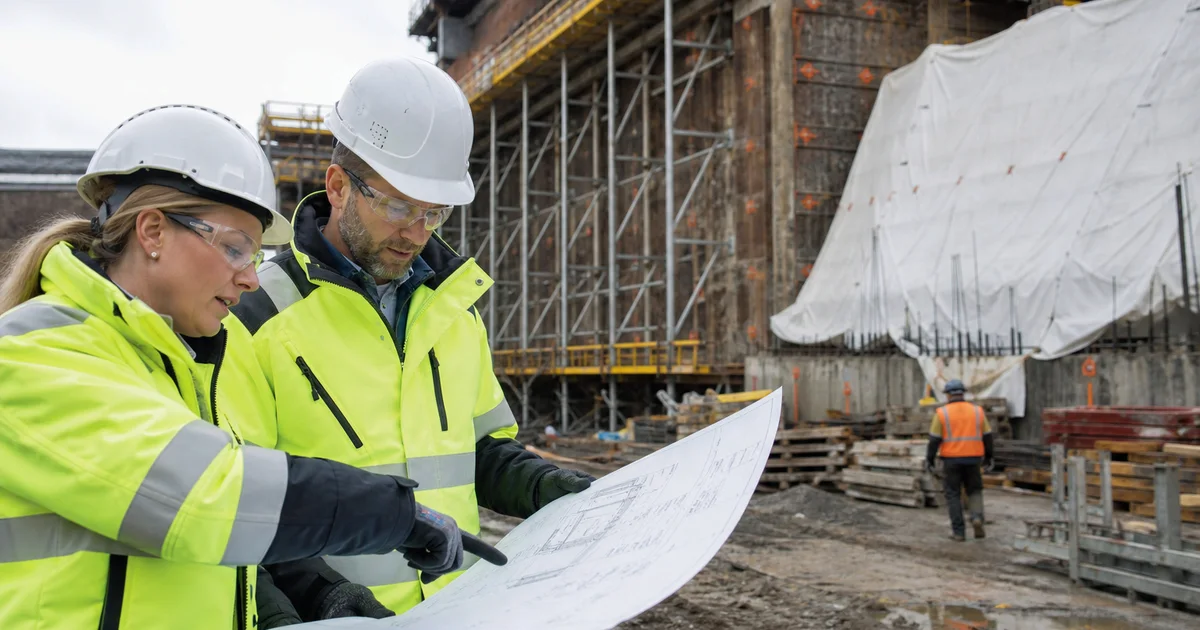
Define each temporary works scope
Build the review from the current drawings, specifications, logistics plan, construction sequence, subcontractor proposals, and estimator assumptions. Name the actual system instead of carrying one broad temporary works allowance. Excavation support, formwork support, access platforms, temporary weather protection, and protection of completed work have different design, labor, equipment, duration, and removal needs.
Record what permanent work or site condition makes the temporary measure necessary. That link helps the reviewer test quantities and timing when design or sequence changes. It also prevents an old temporary measure from remaining in the estimate after the work method that required it has been revised.
Map boundaries with the temporary conditions estimating checklist. Identify who supplies engineering, stamped calculations where required, materials, installation labor, inspections, maintenance, adjustments, and removal. A proposal that includes installation may still exclude engineering or repeated moves.
Keep design decisions with qualified reviewers
An estimate is not a temporary works design. Record the design basis provided by the project team and flag missing criteria, interfaces, or approval paths. The estimator should not select a support arrangement or infer a safe capacity merely to complete a price.
Separate confirmed requirements from estimating assumptions. If the method is unsettled, show the option used for pricing, its source, and the decision owner. State which quantity, duration, crew, equipment, or subcontract amount would change if the team selects another method.
OSHA's construction regulations and resources provide access to federal construction standards and guidance. They do not replace the project-specific review by competent and qualified people. Use the controlling project requirements and applicable rules, and send technical questions to the responsible professional.
Price the full operating period
Break the cost into design and submittals, mobilization, materials or rental, installation, inspections, maintenance, relocations, removal, return freight, and disposal where applicable. This exposes costs that a single installed-unit rate can miss. It also makes quote comparisons more honest when bidders divide the work differently.
Tie time-sensitive costs to the schedule activity that controls them. A monthly rental should carry a documented start, release condition, and reasonable time basis rather than the overall project duration by default. Include planned moves or phased releases as separate events when the sequence requires them.
Check shared resources carefully. A crane, lift, temporary power source, traffic control setup, or access route may support more than one work package, but that does not mean every package should carry the full cost. Choose one controlled cost location and show the allocation logic used for internal reporting.
| Review area | Estimate evidence | Release question |
|---|---|---|
| Scope | System and permanent-work link | Is the need still current? |
| Responsibility | Design, supply, install, maintain, remove | Are all boundaries assigned? |
| Duration | Start, release condition, planned moves | Does the schedule support the time basis? |
| Cost | Quotes, labor, equipment, freight, disposal | Are excluded components covered? |
| Closeout | Removal and restoration allowance | Who confirms final release? |
Review changes, ownership, and closeout
Compare the estimate with subcontractor exclusions and the responsibility matrix. Look for design by others, standby time, winter conditions, restricted work hours, testing, restoration, and damage repairs. Record a named owner for every unresolved boundary and the estimate treatment used while the answer is pending.
Trace temporary works through the site logistics estimate plan. Access changes, laydown limits, public protection, and turnover dates can change both the temporary system and how often crews handle it. Update the estimate and its basis when the logistics plan changes.
Before release, confirm that removal and restoration are included and scheduled. Some systems stay until a permanent element reaches a release condition or another trade completes its work. The final review should state that condition, the current cost basis, open approvals, and the person responsible for resolving each exception.